Why Householder Karl?
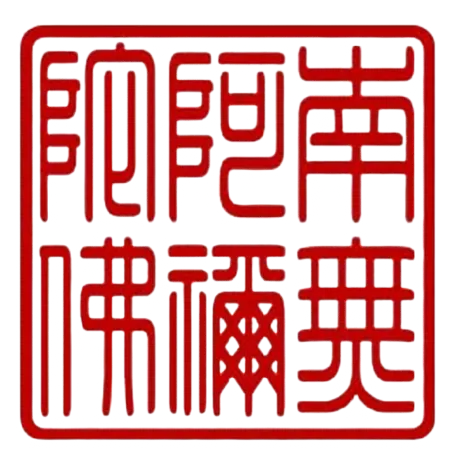
What's in a name? That which we call a rose
By any other name would smell as sweet.—Some annoying Italian girl
Have you ever wondered why I use this name? No? Well, I’m going to explain it now anyway. Gather ’round, children.
First off, Karl. No special meanings here. It’s simply a variation of my real-life name. In Old High German, karl means man, husband, or freeman. So, in that sense, it’s fitting, I guess, if not particularly exciting.
Other people’s names have cool meanings like “divine gift” or “great warrior.” Not me. Fate ensured that I was just a dude.
Now, on to householder, my self-appointed title. It carries slightly more meaning.
In Buddhism, the householder is traditionally distinguished from the renunciant. It’s not a matter of the spiritual versus the unspiritual, but rather of two different conditions under which spiritual practice occurs. Dropping everything and running off into the forest to become a monk simply isn’t an option (or a calling) for most people.
The householder must contend with:
- Earning a livelihood.
- Raising children and maintaining relationships.
- Material possessions and financial obligations.
- Sensual pleasures and worldly attachments.
- Practicing the Dharma amid everyday distractions.
The Buddha provided teachings specifically for householders. The Sigālovāda Sutta, for instance, addresses friendship, marriage, employment, wealth, and reciprocal social obligations.
The householder Anāthapiṇḍika was one of the Buddha’s most prominent disciples. In Mahayana Buddhism, Vimalakīrti is portrayed as a lay practitioner whose profound understanding of the Dharma surpasses that of many accomplished practitioners.
And, closer to home for me, the term takes on particular significance within Pure Land Buddhism, especially in the tradition of Hōnen.
Jōdo-shū ruffled some feathers in the way it democratized awakening. No longer did the elite, scholarly types have a monopoly on nirvana. Pure Land teaching makes liberation accessible without requiring extraordinary capacities, learning, discipline, or circumstances traditionally associated with advanced Buddhist practice.
The householder need not become a scholar, master meditation, abandon his family, or retreat from society to aspire toward birth in the Pure Land.
He can recite the nembutsu amid the ordinary circumstances of his existence. He can acknowledge his myriad limitations and attachments without pretending to have transcended them.
Put simply, the ordinary conditions of life are not disqualifications from the religious life.
To me, this is profound, both in its importance and its simplicity. And I think there’s a certain implicit humility to its use. I’m no sage or seeker. I’m just a normal guy running his mouth on the internet—but no less a Buddhist for it.