If Buying Isn't Owning
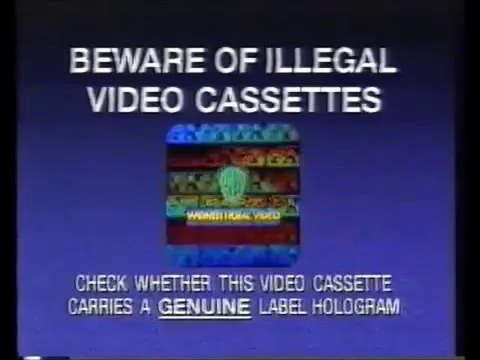
The good old days
Piracy isn’t stealing.
I’ve been seeing this a lot lately, mostly in response to the rising consumer frustration with digital rights management (DRM) and the proliferation of sketchy subscription models. It raises some interesting moral questions about the nature of ownership.
I never read the EULA, but from what I’ve gathered, when we purchase digital media we are receiving a license to access the content, not the content itself. The license is revocable; companies often delist games, shut down servers, etc. This sounds more like “renting” than “purchasing”, but the distinction isn’t made clear to the average consumer.
And that’s where I have a problem, I think. If I’m essentially renting a game, why should I pay the same price I used to pay for physical media? If a game disc costs $80, why should a revocable digital license cost the same or more?
In this example, I’m willing to accept the $80 as an “ownership premium”. That game is mine forever. I’m free to play it whenever I choose. In the current model, with revocable licenses, I’m paying the same for less. My relationship to the media is now dictated by someone else.
I would argue that ownership has value. It’s more than mere possession; it represents freedom of choice. If I pay the price, I should retain that freedom. If they want to formally establish a rental system, the price needs to be adjusted accordingly. We already have something like that with XBOX Game Pass.
As the quote suggests, one alternative is to sail the digital high seas. But is this morally wrong? I think the answer requires more nuance than just a simple yes or no.
Trust is a two-way street. If publishers want consumers to respect intellectual property laws, they must respect the basic expectation of purchase permanency. When “buying” loses its meaning, “stealing” loses its moral weight. Personally, my first reaction is, “Screw me!? No, screw you!” And thus the guilt quickly fades as I fire up the VPN and search for a torrent.
I’m not saying that the solution is to normalize piracy, nor is it to accept arbitrary server shutdowns. The solution is demanding regulatory transparency. If a purchase is just a rental, consumer protection laws should require it to be labeled and priced as one.
The way I see it today, when these publishers charge full price for digital media, but then revoke access later, they are breaking the unwritten covenant of fair trade, regardless of what the EULA might say.
You didn’t answer the question, Karl.
I know. I still don’t know if it’s right or wrong. I'm not even sure it's a valid question. My gut says, “Stealing is always wrong. Support DRM-free platforms or just don’t play games.” But then my Tricorne-wearing, black flag-flying side says, “They’re stealing from YOU, Karl! They abuse their artists and pocket incredible wealth! Fair winds and following seas!”
Perhaps I’m stuck in a false dichotomy here. Maybe everything is on fire and we should just do as we please.