Gratuitous Suffering, Persian Cinema, and Pagan Gods

I have a note on my desktop with topics I plan to write about. So many times over the last couple of weeks, I’ve started writing only to delete it and move on to something else. The motivation for long-form writing, properly researched and revised, just isn’t there.
This morning, I drained the lukewarm dregs of my first cup of coffee, cracked my knuckles, and fired up iA Writer to knock out a post. I glanced over at the list and a thought occurred to me: I’m not getting graded on this shit. If I want to half-ass a topic, that’s perfectly fine.
So today I’m just going to clear this damn list and revel in the smug satisfaction that comes from hitting “Publish” in Bear.
Everybody Hungry

A fundamental truth of our universe is that it is appetitive in nature. From the macro to the micro, we can observe a relentless consumption. Black holes munch on stars. Life feeds on life feeds on life. We like to give ourselves a lot of credit for our higher faculties. Art, philosophy, mathematics. But at the end of the day, everything is ultimately focused on the next meal. Everybody hungry.
And this, dear reader, is how I know there is no god.
To eat, we kill. What dies, suffers. Hell, even plants scream when cut. Even the most self-righteous vegan is the cause of suffering at some point in the line from farm to table.
Similar to the well-known Problem of Evil, this is referred to as The Problem of Gratuitous Suffering. It’s the philosophical challenge of reconciling an omniscient and all-loving god with the existence of pain and evil that serves no greater purpose or higher good.
It’s the countless animals dying in forest fires. It’s the short, brutish life of almost every creature on this planet. Be born, desperately search for food, suffer, and die.
Apologists have twisted themselves into knots with their rationalizations and theodicies when it comes to people. Free will, redemptive suffering, soul-making. It’s all bullshit, but even those arguments can’t explain away animal suffering.
I was in Nara not too long ago, wandering the park with the famous bowing deer. Long story short, I found one with a broken leg lying in a culvert. The limb was only attached by a few strands of flesh. Birds pecked at the open wound. It looked up at me in agony. Tell me what redemptive purpose that serves for the deer? What perfect creator allows its creations to suffer and die for absolutely no reason? Mysterious ways my ass.
By the way, I found a bilingual Japanese person and got them to help me call park services, who eventually came and collected the poor thing.
Persian Film
It’s not controversial to suggest that Iran is a theocratic thorn in the world’s side. It’s unfortunate, because the Iranian people (the diaspora seem to prefer Persian) are some of the most beautiful and kind people in the world. I should know, I married one.
If there’s one thing that people overlook about modern Persian culture, it’s their arts scene. There’s a thriving underground scene in Iran, but you can also catch glimpses of it in diaspora communities in places like LA, aka Tehrangeles.
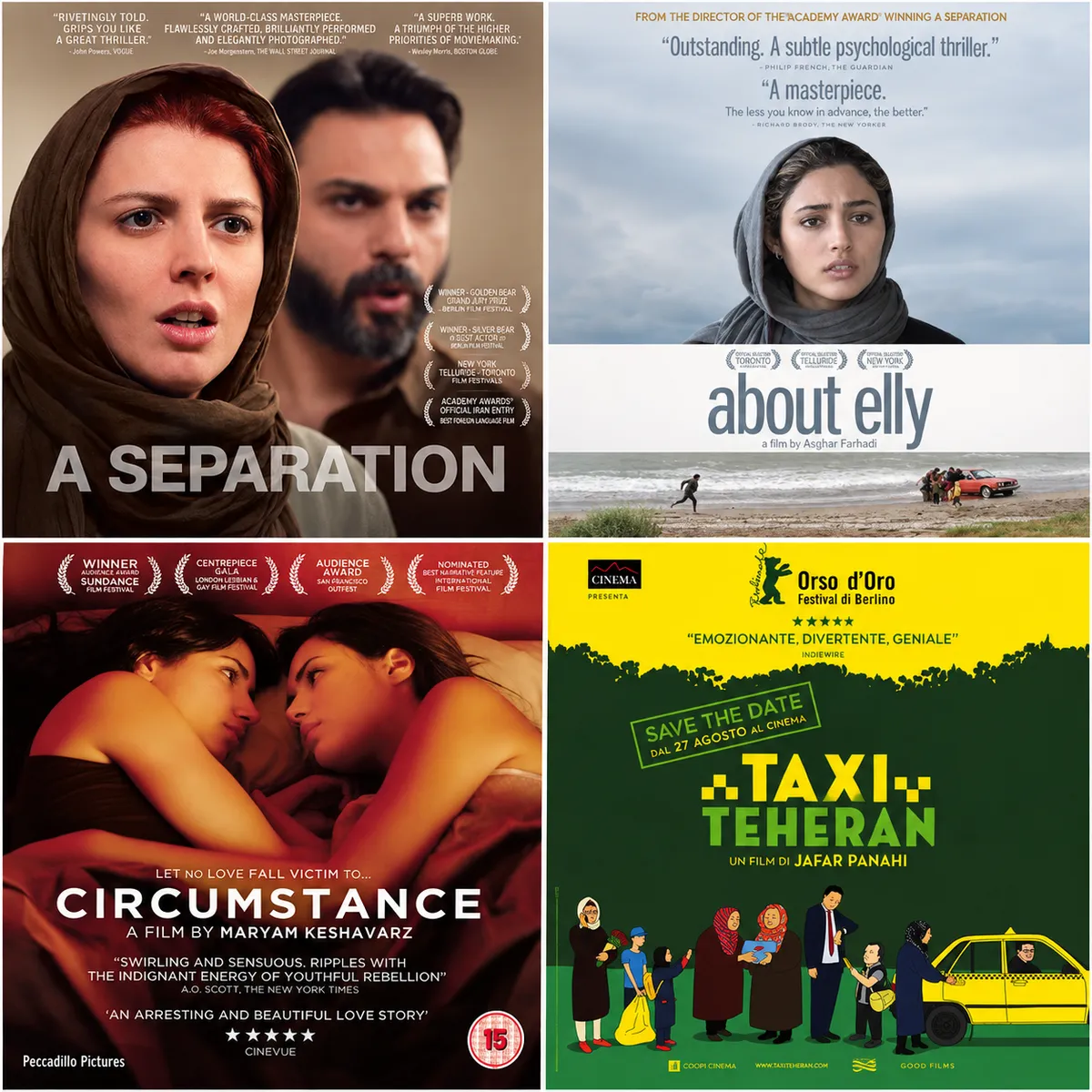
Persian cinema is on another level. Don’t expect happy endings or clean resolutions. That’s not how life works and they don’t sugarcoat it. Here are a few of my favorites. If you don’t speak Farsi, find subtitled copies and move them to the top of your watchlist:
The Wild Beauty of Paganism
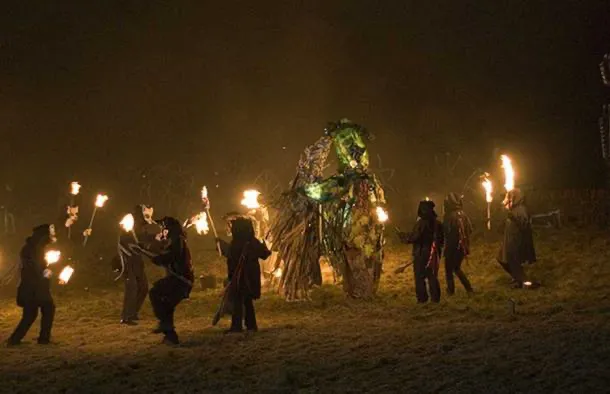
Unbeknownst to most, paganism is experiencing a revival in the West. As people become increasingly disillusioned with the dogmatic religions of the Middle East, they look for spiritual satisfaction in the practices of their ancestors.
People are actively rebuilding historical paths and I think that’s wonderful. Yes, the Romans destroyed much of what we could’ve known about Celtic Druidry, but that hasn’t stopped anyone. The internet has made it possible to explore traditions like Wicca, Ásatrú, and Hellenism. There are traditional revivals popping up all over, such as Vattisen Yaly among the Chuvash people in Russia or Romuva in Lithuania.
Many people yearn for the kind of connection that comes from spiritual practice, but they get turned off by the social, political, and imperial baggage of the Abrahamic religions. There’s real beauty in exploring ancestral roots and embracing traditions that are often focused on nature, our place in it, and the celebration of all life.